
"yellow honey leaves"
400 article(s) found

A brief introduction to the History and Culture of the Origin and Development of Costa Rican Yelsa Rocadura Fine Coffee Bean
Costa Rica is the country where coffee was first introduced into Central America and has a long history. The coffee organization has a complete system from production to marketing. Because it is located in the Central American Gorge, there are many volcanoes, it has the natural advantages of sunshine and land, and the climate is reconciled by Pacific and Atlantic currents and sea breeze at the same time, the coffee produced has the characteristics of local micro-climate, in terms of quality and quantity.
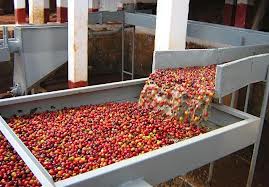
How to grade high-quality coffee beans after honey treatment Coffee refined red honey treatment
4. Honey treatment Today, honey treatment is used in almost all the producing areas of Costa Rica. This method is also widely spread throughout Central America. Because the surface mucosa of coffee beans is extremely sticky and smooth and the sugar content is extremely high, it is often called honey. In the process of honey treatment, coffee will leave some or all of the honey when it is dried. After picking, grading and peeling the coffee fruit, it will be

A honey-treated coffee from El Higueron Manor in Costa Rica won the eighth place in Costa Rica's COE.
El Higueron Manor El Higueron Manor is located in the Lourdes Mountains of PARRITILLA Heights, the eighth winner of Costa Rica COE in 2016. At the top of the Lourdes Mountains, above 1700m above sea level, is a small paradise for the owners of El Higueron, including a coffee plantation and a forest, where there is a huge and beautiful tree called Higueron
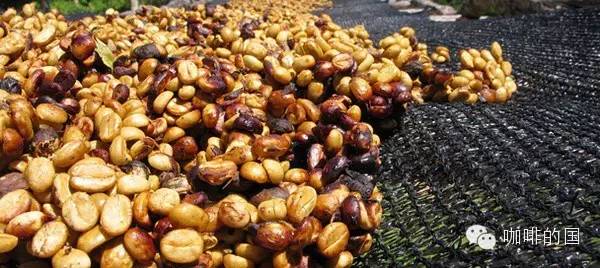
Coffee encyclopedia you know what is honey treatment Costa Rica Central Valley honey treatment fire Phoenix
4. Honey treatment Today, honey treatment is used in almost all the producing areas of Costa Rica. This method is also widely spread throughout Central America. Because the surface mucosa of coffee beans is extremely sticky and smooth and the sugar content is extremely high, it is often called honey. In the process of honey treatment, coffee will leave some or all of the honey when it is dried. After picking, grading and peeling the coffee fruit, it will be
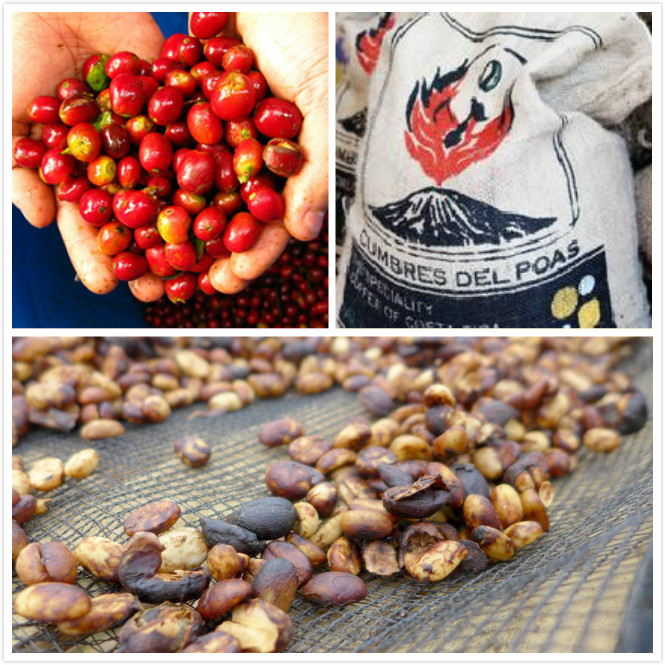
How to treat green coffee beans? Sunlight treatment Ethiopia Sunlight Ye Jia Xue Fei Ye Jia Xue Fei G1
Solarization is a traditional method of primary processing of coffee beans, and ancient coffee growing countries such as Ethiopia and Yemen still use solarization almost exclusively for raw beans. Sun-drying begins by spreading tank-identified beans, ripe or semi-ripe, on a drying ground. The exact time depends on local climatic conditions, and generally takes two weeks to four weeks.
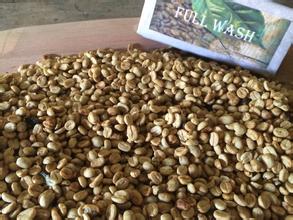
China Coffee Network discount recommendation [Special offer] Costa Rican Red Honey treated Fine Coffee Bean Red Honey
4. Honey treatment Today, honey treatment is used in almost all the producing areas of Costa Rica. This method is also widely spread throughout Central America. Because the surface mucosa of coffee beans is extremely sticky and smooth and the sugar content is extremely high, it is often called honey. In the process of honey treatment, coffee will leave some or all of the honey when it is dried. After picking, grading and peeling the coffee fruit, it will be

What is the difference in the taste of exactly the same coffee beans between washing and tanning?
Tanning is a traditional method for the initial processing of coffee beans, and at present, almost all coffee-growing countries such as Ethiopia and Yemen still use solarization to treat raw beans. Sun treatment will first identify sunken beans in the sink, that is, ripe or half-ripe beans are spread in the drying farm for natural drying. The specific time depends on the local climatic conditions, which usually takes two to four weeks.
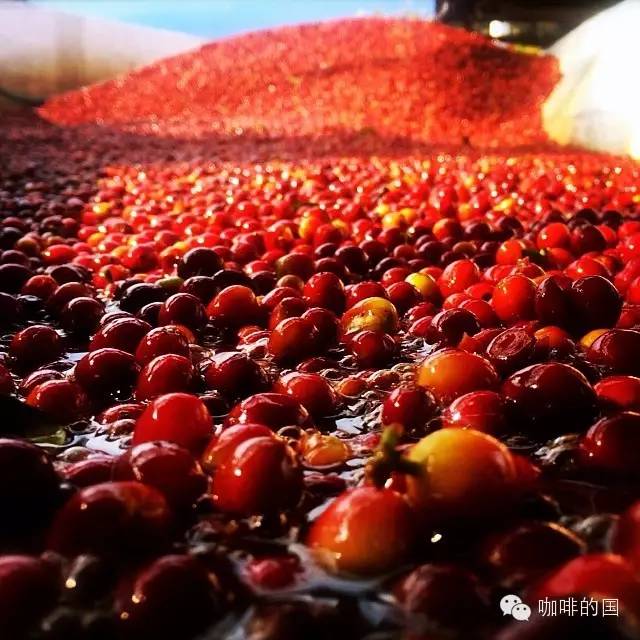
What is the honey treatment method of coffee beans Honey treatment of coffee beans Three kinds of honey treatment What is called honey treatment
4. Today, honey is used in almost all of Costa Rica's producing areas. This method is also widely used throughout Central America. Because the surface of coffee beans is extremely sticky and high in sugar, it is usually called honey. During the honey treatment process, coffee leaves some or all of the honey when it dries. Coffee fruits are picked, graded, and peeled to be

How about Costa Puente red honey bourbon? What are the characteristics of bourbon treated with red honey?
Costa Puente Red Honey Bourbon Country: Costa Rica Region: Tarazhu Estate: Finca El Potrero Elevation: 1600m Variety: Bourbon Treatment: Red Honey Treatment Description This coffee comes from the Tarazhu region of Costa Rica, which is known for growing coffee. The plant, Puente Tarraz, is located in Santa Cruz de Leon Cortés (Sa

El Salvador Wula Mountain Coffee Manor introduces the flavor characteristics of El Salvador honey-treated coffee
Professional coffee knowledge exchange more coffee bean information please follow the coffee workshop (Wechat official account cafe_style) El Salvador, known as the smallest country in Central America, has a reputation beyond life in specialty coffee growing areas. It is conceivable that the quality of beans from here will not be too bad! Although coffee is grown mainly for domestic consumption

Description of flavor and taste of coffee beans treated with honey from Costa Rica-Zaragoza (Zaragoza) manor
For the exchange of professional baristas, please pay attention to the coffee workshop (Wechat official account cafe_style) Costa Rica Montcleso (Monte Crisol) region-Zaragoza manor honey-treated coffee Costa Rican coffee is the most stable in Central America, mainly because it grows in the shade of complete trees and cool rainy nights with large temperature differences in the morning and evening.
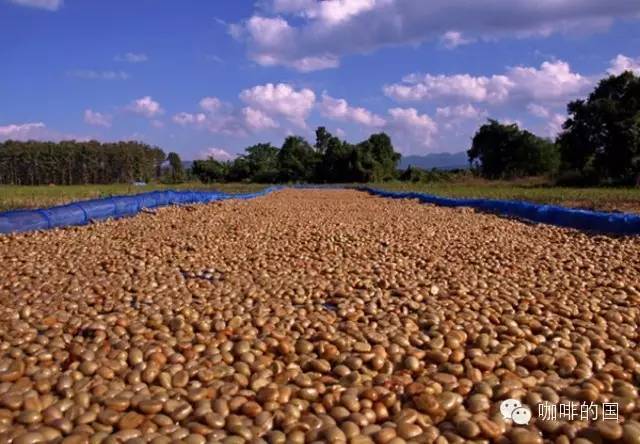
High-quality coffee bean treatment method coffee raw bean Ethiopia Yega Xuefei coffee raw bean (in the sun
Tanning is a traditional method for the initial processing of coffee beans, and at present, almost all coffee-growing countries such as Ethiopia and Yemen still use solarization to treat raw beans. Sun treatment will first identify sunken beans in the sink, that is, ripe or half-ripe beans are spread in the drying farm for natural drying. The specific time depends on the local climatic conditions, which usually takes two to four weeks.

Flavor characteristics of Costa Rican honey-treated coffee beans story honey-treated coffee taste
The three major raw bean treatments: honey treatment, called HoneyProcess or Miel Process, is used in coffee gardens in places such as Honey Coffee, Costa Rica, Panama and Guatemala. The so-called honey treatment refers to the process of making raw beans with mucous membrane for sun-drying. In the coffee beans.

Why does coffee need to be processed? Introduction to the difference in the process of washing coffee beans and drying honey
Before understanding the treatment, there is a knowledge that must be popularized to non-coffee enthusiasts: what is coffee? 1 Coffee is a shrub or small tree of Rubiaceae. The first flowering time is about three years old, and the white flowers will give off a faint fragrance of jasmine and begin to bear fruit a few months later.
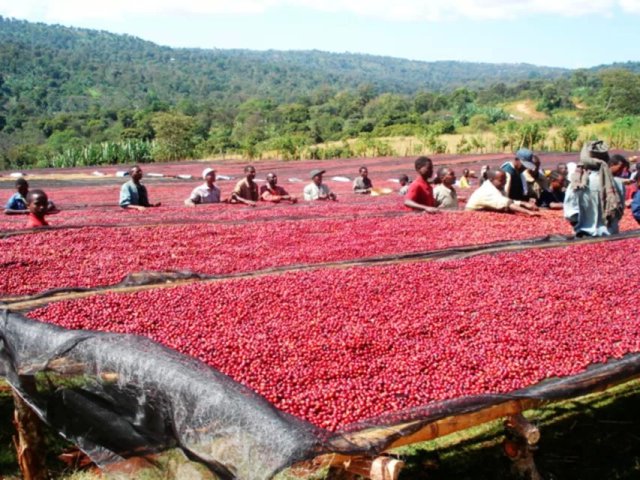
Dense treatment method coffee raw bean treatment coffee raw bean treatment price high quality coffee raw bean treatment wholesale
4. Honey treatment Today, honey treatment is used in almost all the producing areas of Costa Rica. This method is also widely spread throughout Central America. Because the surface mucosa of coffee beans is extremely sticky and smooth and the sugar content is extremely high, it is often called honey. In the process of honey treatment, coffee will leave some or all of the honey when it is dried. After picking, grading and peeling the coffee fruit, it will be
Various practices used in the manufacturing process of raw coffee beans.
I believe that when you browse the menu of individual coffee in a cafe, you will often see "washing", "sun", "honey treatment" and other descriptions about "treatment". What on earth is "Process"? "treatment" (treatment) refers to the various practices used in the production process of raw coffee beans. More specifically, it's about how to ripen coffee cherries
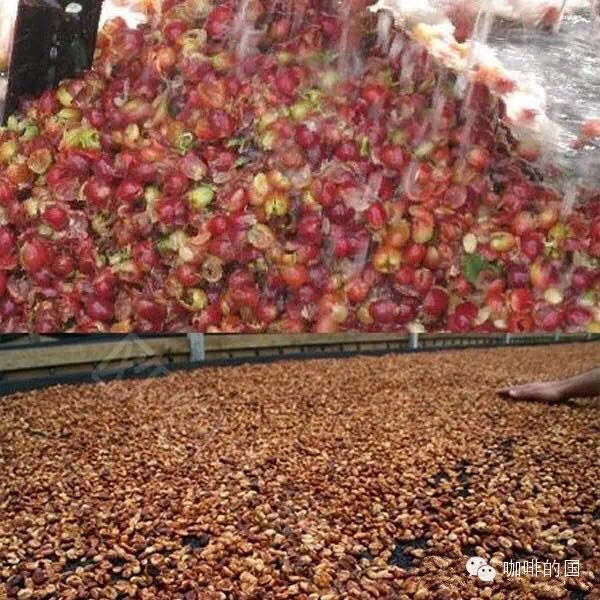
What is the secret handling of coffee beans? China Coffee Network, do you know how coffee fruits are handled?
4. Honey treatment Today, honey treatment is used in almost all the producing areas of Costa Rica. This method is also widely spread throughout Central America. Because the surface mucosa of coffee beans is extremely sticky and smooth and the sugar content is extremely high, it is often called honey. In the process of honey treatment, coffee will leave some or all of the honey when it is dried. After picking, grading and peeling the coffee fruit, it will be

Costa Rican Bahatalazu Tarrazu raisins to treat the flavor of French yellow kaduai raisins
[Costa Rican raisin treatment] Huang Kaduai seed, the treatment of raisin honey is relatively new. at present, the treatment process I understand is double fermentation, that is, the coffee fruit is first dried into a raisin state, and then peeled honey is treated with fermentation. the flavor of fermentation will be stronger in flavor, and the pectin preservation is higher than other honey treatments, which is claimed to be 100% pectin honey treatment is really very raisin style.

Honey treatment is a complex, time-consuming, difficult and easy processing method with strict requirements.
Professional coffee knowledge exchange more coffee bean information Please pay attention to the conditions of honey treatment in coffee workshop (Wechat official account cafe_style) Honey treatment is a more complex, time-consuming and difficult processing method. The first step is to select high-quality fruit, and then peel off the pulp to leave the endocarp, where the endocarp is the core of honey treatment. The endocarp is rich in sugar.

The difference between Kenyan Coffee washing and Solar exposure-Honey-treated Coffee beans
The difference between Kenyan coffee washing and sun drying-Honey treated coffee beans sunwashed [sunbathing]: beans are smaller than Longberry, yellowish in green, coffee is placed in hemp net wooden racks in the sun drying field of Sidamo, workers take turns to stir coffee manually under the sun exposure, sun drying Sidamo is usually marked with G4 exit, washing Sidamo because of the treatment process.